

logotype
  • Home
  • Why Eldon
    • About Us
    • Meet The Team
    • Our Fees
    • Qualifications
    • Testimonials
  • Our Services
    • What We Do
    • The Eldon Process
    • Lifetime Financial Planning
    • Retirement Planning
    • Investment Planning
    • Tax Planning
  • People Like You
  • Charity
  • News
  • Contact Us
Client Portal
logotype
logotype
  • Home
  • Why Eldon
    • About Us
    • Meet The Team
    • Our Fees
    • Qualifications
    • Testimonials
  • Our Services
    • What We Do
    • The Eldon Process
    • Lifetime Financial Planning
    • Retirement Planning
    • Investment Planning
    • Tax Planning
  • People Like You
  • Charity
  • News
  • Contact Us
Client Portal
logotype
  • Home
  • Why Eldon
    • About Us
    • Meet The Team
    • Our Fees
    • Qualifications
    • Testimonials
  • Our Services
    • What We Do
    • The Eldon Process
    • Lifetime Financial Planning
    • Retirement Planning
    • Investment Planning
    • Tax Planning
  • People Like You
  • Charity
  • News
  • Contact Us
Author: Eldon
wallet-g991636795_1280
News
02/09/2026by Eldon

HMRC Contacting Low Earners About Missed Pension Tax Relief

HM Revenue & Customs (HMRC) has begun contacting around one million people who may have missed out on pension tax relief because their workplace pension scheme operates under a Net Pay Arrangement. Under Net Pay, pension contributions are deducted from earnings before income tax is calculated. This normally provides automatic tax relief at the individual’s marginal tax rate. However, for individuals earning below the Personal Allowance (currently £12,570), there is no income tax liability for the pension contribution to reduce. Consequently, these workers do not receive tax relief on their contributions.

By contrast, under a Relief at Source arrangement, contributions are taken after tax, and the pension provider claims a 20% basic-rate top-up directly from HMRC and adds it to the pension contribution. This means that even someone who does not pay income tax can receive the 20% basic-rate top-up.

The introduction of the Low Earner’s Pension Payment is intended to address this difference and ensure that lower-paid pension savers receive a more consistent level of tax relief, regardless of whether their workplace pension uses a Net Pay Arrangement or Relief at Source.

Who is affected?

HMRC estimates that around 1.2 million people are eligible for top-ups, with roughly three-quarters expected to be women.

You may be eligible if you:

  • Contributed to a workplace pension using a Net Pay Arrangement; and
  • Had total taxable income below (or close to) the Personal Allowance in the relevant tax year.

Eligibility applies from the 2024/25 tax year onwards and is assessed separately for each tax year, meaning some individuals may be entitled to payments covering multiple years.

How much could you receive?

HMRC estimates that eligible individuals will receive around £70 per year on average, although the actual amount will depend on their pension contributions and individual circumstances.

The top-up is paid directly to the individual and is intended to address the difference in tax relief received under the two arrangements. It does not change how workplace pension contributions are made.

What do you need to do?

HMRC will identify potentially eligible individuals and contact them directly, rather than individuals needing to make a claim.

HMRC’s latest guidance confirms that eligible individuals should wait to be contacted, either by post or through their Personal Tax Account. Once contacted, they should follow the instructions provided to receive the payment. There is no need to contact HMRC in advance or ask their employer or pension provider to make a claim on their behalf.

Payments relating to contributions made during the 2024/25 tax year will begin in the coming months, with HMRC taking a phased approach to the rollout through the remainder of 2026 and into early 2027.

HMRC has also confirmed that it will never ask individuals to transfer money in order to receive the payment, nor will it ask for PINs or passwords.

If you receive any correspondence from HMRC regarding this and would like help understanding what you need to do, please do not hesitate to get in touch with a member of the team.

Read More
Gem
News
08/04/2025by Eldon

What To Do in Turbulent Markets

Market Situation

Trump’s ‘Liberation Day’ announcement of universal and country-specific tariffs has increased uncertainty in trading worldwide. As is typical, uncertainty leads to increased market turbulence.

This US stance risks creating inflation and/or recession in various markets around the world. It is certainly big news. Markets have quickly adjusted to the prospect of lower company earnings based on current forecasts. This doesn’t mean there is confidence in current forecasts; these change by the day, hour, and minute. Forecasting is especially challenging at present given continued uncertainty.

In fact, it’s entirely possible that we are close to the peak of ‘trade uncertainty’, with the potential for many positive actions ahead. For example, there are likely to be elements of monetary easing, fiscal stimulus, deregulation, and new trade agreements to come.

Your Financial Plan

We know it can be unsettling when markets are turbulent, especially if you’re new to investing.

But it’s important to remember that market ups and downs are a normal part of investing.

Here are three key things to remember when markets are unsettled:

  • You are likely to experience many market dips in your investing lifetime. Over the long-term, though, investment markets have typically posted strong results.
  • During uncertain times, resist the urge to deviate from your Financial Plan. The best and the worst-performing days of the stock market often occur in close succession, making it difficult to time when to sell or buy. Evidence tells us that investors who stay the course during downturns can take advantage of recoveries and have typically come out ahead of those who sold their investments when markets were down.
  • Diversification is more crucial than ever. In unsettled times, diversification is more crucial than ever. Spreading your money across different types of investments can help soften potential losses and manage risk. By not overly concentrating on a single company, industry or region, you can reduce the impact of any one negative event on your portfolio. All of our client investments are carefully managed to ensure they have good diversification for exactly this reason; it mitigates risk at volatile times.  

As humans, we are programmed to take action. But if a market downturn occurs and your financial goals haven’t changed, staying the course and riding out the dips is usually the right course of action.

All Eldon’s clients have been recommended to hold a reserve of accessible cash savings that feels comfortable for their foreseeable circumstances. This means that if some form of emergency arises whilst markets are down, there should be enough in savings to cover that need.

For those with regular withdrawals from an investment portfolio, this level has been set with your needs and wider circumstances in mind. All our clients have regular planning reviews too so we can ensure their Financial Plan is regularly updated and all new circumstances taken into account.

In summary, tuning out the noise and staying focused on your long-term goals can help you navigate the inevitable ups and downs of investing.

If you would like to speak with your Financial Planner here at Eldon, then please do not hesitate to get in touch with us; we always love to hear from our clients.

Read More
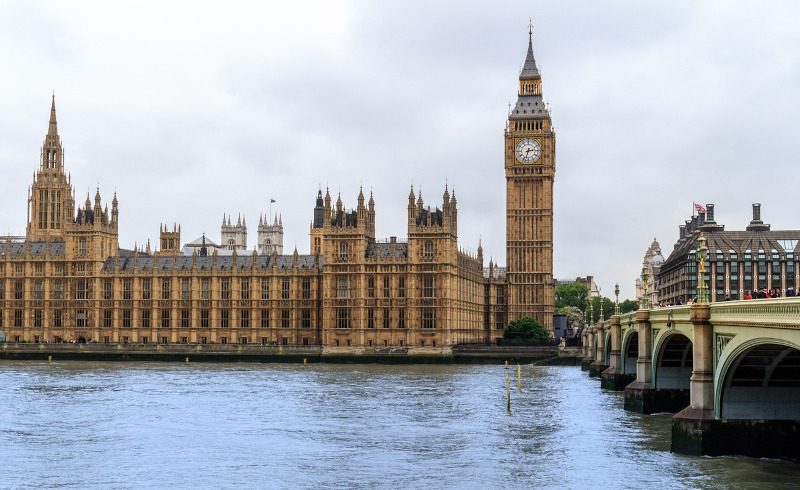
westminster-902972_1280
News
31/10/2024by Eldon

Autumn Budget Summary 2024

On Wednesday 30th October 2024, Chancellor of the Exchequer Rachel Reeves unveiled her long-awaited Autumn Budget.

Here is a roundup of the main budget changes affecting personal finances:

State Pension

  • The Chancellor confirmed that the annual triple lock increases for State Pensions will be maintained for the remainder of this parliament. This will see a 4.1% increase in April 2025, based on the increase in average earnings over the year.
  • The full rate for the New State Pension will increase to £230.25 pw, and the full Basic State Pension is expected to increase to £176.45 pw for single individuals and £282.15 pw for married couples/civil partners.

Income Tax Thresholds

  • The current freeze on income tax and individual National Insurance thresholds will continue until April 2028.
  • There will be no change to the income tax rates as yet.

National Insurance Contributions (NICs)

  • From 6th April 2025, the rate of employer NICs will increase from 13.8% to 15%. The Secondary Earnings Threshold (at which employers start paying NICs on an employee’s earnings) will reduce from £9,100 to £5,000 pa. This threshold will be frozen until 6th April 2028 and increase in line with the Consumer Price Index (CPI) thereafter.

Capital Gains Tax (CGT)

  • The capital gains tax rates applicable to investment gains will increase from 10% to 18% for basic rate taxpayers, and from 20% to 24% for higher/additional rate taxpayers. This will take effect for disposals made on or after 30th October 2024.
  • The annual exemption will remain at £3,000 pa for individuals.
  • The reduced CGT rate applicable under Business Asset Disposal Relief is set to increase from 10% to 14% in April 2025, and then to 18% in April 2026.

Inheritance Tax (IHT)

  • The nil rate band and maximum residence nil rate band will be frozen at their current levels (£325,000 and £175,000) until 5th April 2030. The previous government had frozen the bands until 2028.
  • Agricultural and Business Relief – From 6th April 2026, the current 100% rate of relief from IHT will only apply to the first £1 million of combined, eligible agricultural and business property. The rate of relief will be 50% thereafter. The £1 million allowance will not be ‘used up’ by assets that only qualify for 50% relief.
  • For Business Relief, the rate will reduce from 100% to 50% for shares that are not listed on a recognised stock exchange, such as those on the Alternative Investment Market (AIM) exchange.

Pensions and Taxation

  • From 6th April 2027, invested pensions are set to be included in an individual’s estate for IHT purposes, rather than being held outside of the estate as is the current position. The government expects to launch a technical consultation on draft legislation in 2025 to implement the changes.
  • Any IHT due in this respect is expected to be paid by the pension scheme by making a deduction from the pension funds/death benefits before being paid to any beneficiaries.

Stamp Duty Land Tax (SDLT)

  • From 31st October 2024, the higher rates of Stamp Duty Land Tax for purchasing additional properties will increase from 3% to 5% above the standard residential rates of SDLT. This will apply both to individuals and companies.

ISAs

  • In respect of ISAs, the annual subscription limits will remain at £20,000 for cash/stocks & shares ISAs, £4,000 for Lifetime ISAs, and £9,000 for Junior ISAs (and Child Trust Funds) until 5th April 2030.

Non-Domicile Changes

  • The non-domicile tax regime is set to be abolished from 6th April 2025. Domicile will no longer be a feature of the UK tax system and will be replaced by a system based on residency.

Other Announcements

  • A rise in the national living wage for workers aged 21 and over has been announced, increasing from £11.44 to £12.21 an hour, with effect from April 2025. For those aged 18 to 20, the rate will rise from £8.60 to £10 an hour and for apprentices, the rate will increase from £6.40 to £7.55 an hour.
  • The removal of the VAT exemption for private school fees has been confirmed, which will see VAT added to these from January 2025. The government will also seek to remove private schools’ business rates relief from April 2025.
  • The current £2 cap on bus fares will increase to £3, and the cap will also be extended until 31st December 2025.
  • A number of duty increases have been announced:
    • Tax on tobacco is set to rise by the Retail Price Index (RPI) plus 2%
    • A new flat-rate duty on vaping liquid will be introduced from 2026
  • Fuel duty will remain frozen at the current level.

If you would like to discuss any of the above elements further, please don’t hesitate to contact a member of the team.

Read More
Contact Us

Eldon Financial Planning Limited

1 Parsons Court

Welbury Way

Newton Aycliffe

County Durham

DL5 6ZE


Telephone: (01325) 318000

Office Hours

Monday to Thursday:

9:00am – 4:30pm

Friday:

9:00am – 12:30pm

Important

The guidance and/or advice contained in this website is subject to the UK regulatory regime and is therefore restricted to consumers based in the UK.

The Financial Ombudsman Service is available to sort out individual complaints that clients and financial services businesses aren’t able to resolve themselves.

To contact the Financial Ombudsman Service please visit:

www.financial-ombudsman.org.uk

Useful Links
Important Information
Privacy Information
Recruitment

Eldon Financial Planning Limited is authorised and regulated by the Financial Conduct Authority No. 221354

Registered in England & Wales No. 4561871