logotype
  • Home
  • Why Eldon
    • About Us
    • Meet The Team
    • Our Fees
    • Qualifications
    • Testimonials
  • Our Services
    • What We Do
    • The Eldon Process
    • Lifetime Financial Planning
    • Retirement Planning
    • Investment Planning
    • Tax Planning
  • People Like You
  • Charity
  • News
  • Contact Us
Client Portal
logotype
logotype
  • Home
  • Why Eldon
    • About Us
    • Meet The Team
    • Our Fees
    • Qualifications
    • Testimonials
  • Our Services
    • What We Do
    • The Eldon Process
    • Lifetime Financial Planning
    • Retirement Planning
    • Investment Planning
    • Tax Planning
  • People Like You
  • Charity
  • News
  • Contact Us
Client Portal
logotype
  • Home
  • Why Eldon
    • About Us
    • Meet The Team
    • Our Fees
    • Qualifications
    • Testimonials
  • Our Services
    • What We Do
    • The Eldon Process
    • Lifetime Financial Planning
    • Retirement Planning
    • Investment Planning
    • Tax Planning
  • People Like You
  • Charity
  • News
  • Contact Us
News

Category: News

Gem
News
08/04/2025by Eldon

What To Do in Turbulent Markets

Market Situation

Trump’s ‘Liberation Day’ announcement of universal and country-specific tariffs has increased uncertainty in trading worldwide. As is typical, uncertainty leads to increased market turbulence.

This US stance risks creating inflation and/or recession in various markets around the world. It is certainly big news. Markets have quickly adjusted to the prospect of lower company earnings based on current forecasts. This doesn’t mean there is confidence in current forecasts; these change by the day, hour, and minute. Forecasting is especially challenging at present given continued uncertainty.

In fact, it’s entirely possible that we are close to the peak of ‘trade uncertainty’, with the potential for many positive actions ahead. For example, there are likely to be elements of monetary easing, fiscal stimulus, deregulation, and new trade agreements to come.

Your Financial Plan

We know it can be unsettling when markets are turbulent, especially if you’re new to investing.

But it’s important to remember that market ups and downs are a normal part of investing.

Here are three key things to remember when markets are unsettled:

  • You are likely to experience many market dips in your investing lifetime. Over the long-term, though, investment markets have typically posted strong results.
  • During uncertain times, resist the urge to deviate from your Financial Plan. The best and the worst-performing days of the stock market often occur in close succession, making it difficult to time when to sell or buy. Evidence tells us that investors who stay the course during downturns can take advantage of recoveries and have typically come out ahead of those who sold their investments when markets were down.
  • Diversification is more crucial than ever. In unsettled times, diversification is more crucial than ever. Spreading your money across different types of investments can help soften potential losses and manage risk. By not overly concentrating on a single company, industry or region, you can reduce the impact of any one negative event on your portfolio. All of our client investments are carefully managed to ensure they have good diversification for exactly this reason; it mitigates risk at volatile times.  

As humans, we are programmed to take action. But if a market downturn occurs and your financial goals haven’t changed, staying the course and riding out the dips is usually the right course of action.

All Eldon’s clients have been recommended to hold a reserve of accessible cash savings that feels comfortable for their foreseeable circumstances. This means that if some form of emergency arises whilst markets are down, there should be enough in savings to cover that need.

For those with regular withdrawals from an investment portfolio, this level has been set with your needs and wider circumstances in mind. All our clients have regular planning reviews too so we can ensure their Financial Plan is regularly updated and all new circumstances taken into account.

In summary, tuning out the noise and staying focused on your long-term goals can help you navigate the inevitable ups and downs of investing.

If you would like to speak with your Financial Planner here at Eldon, then please do not hesitate to get in touch with us; we always love to hear from our clients.


Read More
money-1885540_1280
News
31/03/2025by Eldon

Proposed Increase in Deposit Protection Limit

In a significant update for UK savers, the Prudential Regulation Authority (PRA) has today proposed an increase to the deposit protection limit under the Financial Services Compensation Scheme (FSCS), raising it from £85,000 to £110,000.

The FSCS currently protects 100% of the first £85,000 held by an individual, per UK-regulated financial institution (not per account). Joint accounts are eligible for FSCS protection up to the same limit of £85,000 per eligible person.

The FSCS only applies to organisations regulated by the Financial Conduct Authority, with the main categories of protected savings including:

  • Current accounts
  • Savings accounts (including sharia accounts)
  • Cash ISAs (including cash Lifetime ISAs & Help to Buy ISAs)
  • Small business accounts
  • Cash saved within a SIPP (Self Invested Personal Pension) 

The proposed increase aims to reflect the level of inflation since the limit was last changed in 2017, offering even greater reassurance to consumers that their savings are safe should their bank, building society, or credit union face financial difficulties.

The new limit, if approved, would apply to any financial institution that fails after 1st December 2025.

What happens next?

The PRA has opened a consultation on the proposed changes today, and they are seeking responses from the public and stakeholders until 30 June. After reviewing feedback, the PRA expects to announce the outcome of the consultation in November, with any changes to the deposit protection limit requiring approval from HM Treasury.

If you have any questions about this, please do not hesitate to get in touch with a member of the team.

Read More
scam-8509837_1280
News
17/02/2025by Eldon

Financial Scams – Stay Vigilant

Financial scams have become much more prominent and sophisticated in recent years. A few examples that are concerning include those purporting to be HMRC, phone companies, and banks. These are all companies that people rely on and trust.

With HMRC, we have recently seen an example of a scam letter, and at first glance, the letter would appear to be genuine, with the HMRC logo and the contents laid out in the same format as usual HMRC correspondence. However, this letter was in fact not genuine, and there were a few signs which indicated that it was suspicious. I have highlighted a few points to look out for below:

  • No contact phone number on the letters – HMRC would always include this, but the scammers don’t want you to call HMRC to verify or discuss the letter (as you’d find out it isn’t genuine)
  • Requesting copies of recent accounts, VAT returns or anything else that HMRC can obtain themselves from their own records.
  • Asking for proof of ID – HMRC would never ask for this.
  • Any email address they give as their own should always end with “.gov.uk”. No government agencies (which includes HMRC) will use a .com or .org domain, it will always be .gov.uk.
  • HMRC would always request the information or documents to be sent by post, never emailed to them.

Scammers will also send texts, make phone calls and send emails too. Within these communications, there are a few other signs to look out for, that are more generalised and apply to all different types of scams:

  • Threatening language: scammers may threaten lawsuits, arrest warrants, or demand immediate payment 
  • Pressure to act quickly: scammers may try to pressure you into acting without thinking 
  • Unprompted contact: scammers may contact you out of the blue 
  • Requests for personal information: scammers may ask for your bank or credit card details, National Insurance number, or other sensitive information 

Between 1 February 2024 and 30 June 2024, Which? has collected the data from “Who Called Me”, a company that collects reports of suspicious phone numbers. The table below shows the top 10 scam calls search during that time:

1. Phone contract scam                                    3,419,100

2. Debt scam                                                       1,568,776

3. Utility scam                                                     1,494,591

4. Energy scam                                                   1,428,304

5. Billing scam                                                     1,298,175

6. Insulation scam                                              1,044,064

7. Bank scam                                                          987,423

8. Life insurance scam                                          943,588

9. Housing repairs scam                                       801,206

10. Survey scam                                                     699,866

If you’re ever called by a number that you’re not sure of, you can visit “Who Called Me” and search the number. This will bring up the history of that number and a summary, often including a note to say whether or not the number is likely to be linked to a scam.

So, what can be done to avoid falling victim to a scam?

  • Be skeptical when someone contacts you out of the blue. Don’t give out any personal information that can be used by others to access any of your accounts.
  • Don’t click on unknown links you have received in emails. Clicking the link can be the ‘way in’ for scammers.
  • Ensure you keep your devices updated – software updates can include important security measures.
  • Enable multi-factor authentication for log-ins. This can add an additional layer of protection for you.
  • If someone mentions a company name they are working for, research the company name. Often there will be reports and information on how this could be connected to a scam.
  • Look out for suspicious payment requests. Scammers will ask for payments via cash, gift cards, cryptocurrency and other forms of payment that are harder to trace.
  • Don’t refund or forward any overpayments that are made to you. Once done, the original payment will be fraudulent and taken back later, leaving you out of pocket.
  • Sign up for a free credit monitoring with Experian to get alerted when there are unexpected changes in your credit report.
Read More
the-eleventh-hour-758723_1280
News
13/01/2025by Eldon

Self Assessment Tax Return Deadline

The deadline of 31st January 2025 for submitting Self Assessment tax returns for the 2023/24 tax year is fast approaching. If you need to submit a tax return, it is important to do so by the deadline to avoid paying late filing penalties.

You can check whether or not you need to complete a tax return for the 2023/24 tax year by using the government tool.

If this is the first time you are submitting a Self Assessment, the deadline to register without penalty was 5th October 2024. If you have not registered yet, it is therefore important to contact HMRC as soon as possible to receive your Unique Taxpayer Reference (UTR) to enable you to submit your tax return.

If you are registered to submit a Self Assessment tax return but no longer need to complete a return, you must inform HMRC. If HMRC agrees, they will send a letter confirming you do not need to file a return. You may have to pay a penalty if HMRC do not agree before the Self Assessment deadline of 31st January 2025, and you do not submit a return on time.

If you submit your return later than the deadline, you will typically face a £100 penalty if the tax return is up to 3 months late. Should the return be submitted over 3 months late, you may be faced with a larger penalty.

Any payment of tax required by 31st January 2025 will have interest applied if paid after this date. This rate is currently 7.25% (Bank of England Base Rate plus 2.5%). If the payment is made more than 30 days after the deadline, you may also be faced with greater penalties at a percentage of the tax owed.

You can complete your Self Assessment tax return online here.

You can pay any outstanding Self Assessment tax bill online here.

For a fee, professional accountants can help you complete your Self Assessment, or complete it on your behalf, however you will need to provide them with the relevant figures. Please get in touch if you would like a recommendation for accountants we have previously worked with.

Read More
christmas-decorations-1816478_1280
News
19/12/2024by Eldon

Christmas Opening Hours

Eldon’s office will close at 2:00 pm on Tuesday 24th December, reopening on Thursday 2nd January 2025.
If you have any urgent questions over this period, please email them to enquiries@eldonfinancial.co.uk and we will make sure that you get a response.

We would like to wish everyone a very Merry Christmas and Happy New Year.

Read More
newawardpic
News
21/11/2024by Eldon

NMA Top 100 2024

Thirteen may be an unlucky number for some but not for Eldon. For the 13th year in a row, we have made the 2024 New Model Adviser Top 100!

Citywire’s accolade marks the top 100 advice firms across the UK, recognising outstanding achievements and prominent leaders in the financial planning profession. We are proud to have featured every year since its inception, and would like to thank our team, as well as our clients, for getting us here!

Read More
westminster-902972_1280
News
31/10/2024by Eldon

Autumn Budget Summary 2024

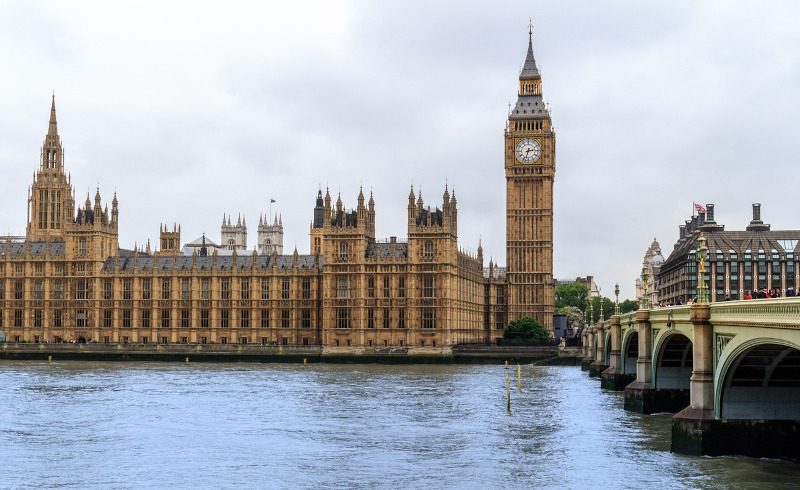
On Wednesday 30th October 2024, Chancellor of the Exchequer Rachel Reeves unveiled her long-awaited Autumn Budget.

Here is a roundup of the main budget changes affecting personal finances:

State Pension

  • The Chancellor confirmed that the annual triple lock increases for State Pensions will be maintained for the remainder of this parliament. This will see a 4.1% increase in April 2025, based on the increase in average earnings over the year.
  • The full rate for the New State Pension will increase to £230.25 pw, and the full Basic State Pension is expected to increase to £176.45 pw for single individuals and £282.15 pw for married couples/civil partners.

Income Tax Thresholds

  • The current freeze on income tax and individual National Insurance thresholds will continue until April 2028.
  • There will be no change to the income tax rates as yet.

National Insurance Contributions (NICs)

  • From 6th April 2025, the rate of employer NICs will increase from 13.8% to 15%. The Secondary Earnings Threshold (at which employers start paying NICs on an employee’s earnings) will reduce from £9,100 to £5,000 pa. This threshold will be frozen until 6th April 2028 and increase in line with the Consumer Price Index (CPI) thereafter.

Capital Gains Tax (CGT)

  • The capital gains tax rates applicable to investment gains will increase from 10% to 18% for basic rate taxpayers, and from 20% to 24% for higher/additional rate taxpayers. This will take effect for disposals made on or after 30th October 2024.
  • The annual exemption will remain at £3,000 pa for individuals.
  • The reduced CGT rate applicable under Business Asset Disposal Relief is set to increase from 10% to 14% in April 2025, and then to 18% in April 2026.

Inheritance Tax (IHT)

  • The nil rate band and maximum residence nil rate band will be frozen at their current levels (£325,000 and £175,000) until 5th April 2030. The previous government had frozen the bands until 2028.
  • Agricultural and Business Relief – From 6th April 2026, the current 100% rate of relief from IHT will only apply to the first £1 million of combined, eligible agricultural and business property. The rate of relief will be 50% thereafter. The £1 million allowance will not be ‘used up’ by assets that only qualify for 50% relief.
  • For Business Relief, the rate will reduce from 100% to 50% for shares that are not listed on a recognised stock exchange, such as those on the Alternative Investment Market (AIM) exchange.

Pensions and Taxation

  • From 6th April 2027, invested pensions are set to be included in an individual’s estate for IHT purposes, rather than being held outside of the estate as is the current position. The government expects to launch a technical consultation on draft legislation in 2025 to implement the changes.
  • Any IHT due in this respect is expected to be paid by the pension scheme by making a deduction from the pension funds/death benefits before being paid to any beneficiaries.

Stamp Duty Land Tax (SDLT)

  • From 31st October 2024, the higher rates of Stamp Duty Land Tax for purchasing additional properties will increase from 3% to 5% above the standard residential rates of SDLT. This will apply both to individuals and companies.

ISAs

  • In respect of ISAs, the annual subscription limits will remain at £20,000 for cash/stocks & shares ISAs, £4,000 for Lifetime ISAs, and £9,000 for Junior ISAs (and Child Trust Funds) until 5th April 2030.

Non-Domicile Changes

  • The non-domicile tax regime is set to be abolished from 6th April 2025. Domicile will no longer be a feature of the UK tax system and will be replaced by a system based on residency.

Other Announcements

  • A rise in the national living wage for workers aged 21 and over has been announced, increasing from £11.44 to £12.21 an hour, with effect from April 2025. For those aged 18 to 20, the rate will rise from £8.60 to £10 an hour and for apprentices, the rate will increase from £6.40 to £7.55 an hour.
  • The removal of the VAT exemption for private school fees has been confirmed, which will see VAT added to these from January 2025. The government will also seek to remove private schools’ business rates relief from April 2025.
  • The current £2 cap on bus fares will increase to £3, and the cap will also be extended until 31st December 2025.
  • A number of duty increases have been announced:
    • Tax on tobacco is set to rise by the Retail Price Index (RPI) plus 2%
    • A new flat-rate duty on vaping liquid will be introduced from 2026
  • Fuel duty will remain frozen at the current level.

If you would like to discuss any of the above elements further, please don’t hesitate to contact a member of the team.

Read More
benches-560435_1280
News
22/10/2024by Eldon

The Upcoming Autumn Statement – Keep Calm & Carry on?

On 30th October, Chancellor of the Exchequer Rachel Reeves will deliver the Autumn Statement, the first delivered by a Labour government in 14 years. There has been much speculation in the media as to what may or may not be included in that statement, given tax rises on ‘working people’ have been ruled out. This speculation can be unhelpful, as it can cause people to take action in an attempt to mitigate against potential changes, which may or may not come to fruition.

One example is the rumour that tax free cash lump sums from pensions could be reduced. Drawing tax free cash from a pension is an irreversible decision and could lead to individuals being worse off in the long run.  Pensions still offer a very tax efficient environment for long term capital and pulling out tax free cash could see the capital left in a savings account, with less long-term growth. Alternatively, if funds are reinvested outside of a pension, future dividends, interest and growth would then be potentially subject to tax, which would not currently be the case within a pension. This is just one example, however.

Whilst legislative changes can alter some aspects of Financial Planning and some may wish to take steps sooner and prior to any potential changes, we cannot second guess what these changes may be. We can only ever work within the legislation that exists at present, planning effectively around this. If legislation does change, then as Financial Planners, we would look to make the best use of the new legislation within clients’ planning too.

A Financial Plan should be reviewed on a regular basis, taking account of changes to not only legislation, but also clients’ circumstances and changes in any short-term and long-term goals. In the same way trying to time investment markets and second guess them often proves futile, the same is true of legislative changes.

We cannot control the outcome of the statement or legislative changes, so worrying about things is not particularly helpful. Instead, focusing on the decisions and actions that can be taken following this, working towards planning goals and objectives (the things that we can control) to deliver the best outcomes, is the best use of time.

We are eagerly awaiting the Autumn Statement, not least as it will put an end to so much speculation. Our next news article will summarise any important changes for our clients.  

In the meantime, as the old saying goes, keep calm and carry on!

Read More
Adam Walk
News
09/10/2024by Eldon

Walking for Williams Syndrome

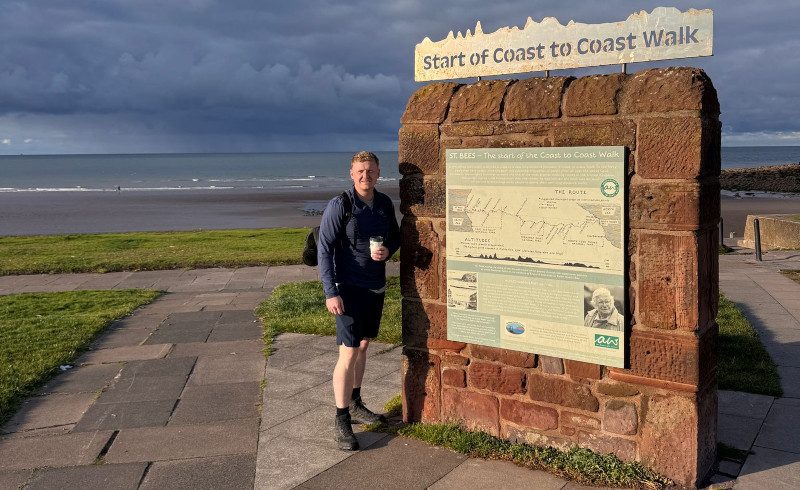
One of our Chartered Financial Planners, Adam, has now completed his Coast-to-Coast walk, raising awareness for Williams Syndrome, a genetic condition that affects 1 in 10,000 individuals.

Despite facing inclement weather that included heavy rain and strong winds, Adam pressed on and completed over 120 miles during a six-day period.

Adam is grateful for all donations so far, which made the challenge worthwhile! For further information on the fundraising, please find below the link to Adam’s GoFundMe page:

https://www.gofundme.com/f/coast-to-coast-walk-for-williams-syndrome

Read More
social-media-2489595_1280
News
02/09/2024by Eldon

The rise of ‘Finfluencers’ and AI for Financial Advice

In recent times we have seen a rise of ‘Finfluencers’ on social media, particularly with the younger generation, who are predominantly more active on social media. Finfluencers are social media influencers who offer advice and information on various financial topics.

Financial education/literacy is becoming more and more important in an increasingly complex financial world, however, a lack of financial education in the school curriculum means the younger generation is turning towards things such as social media for such knowledge. The danger in this, however, is that whilst some Finfluencers offer genuinely helpful tips, some are uninformed, and there are also cases of scammers posing as Finfluencers.

Finfluencers also don’t typically have any financial qualifications and are often not regulated to give financial advice. It can be hard to spot genuine, useful information from the scams, and the Financial Conduct Authority (FCA) is concerned that some ‘Finfluencers’ are not labelling content correctly or promoting products without understanding how they work, or the associated risks.

 In July of this year, the FCA pressed ahead with charges against 9 individuals due to their involvement in the promotion of an unauthorised foreign exchange trading scheme on social media. 7 of these individuals were ‘Finfluencers’, and their court dates are set for the future.

That being said, there are some good, informative ‘Finfluencers’ who help people understand jargon, how certain financial products work, explain real-life case studies and give examples of these. This can help bridge the knowledge gap and increase financial education and literacy amongst younger people. However, personal finance is just that, personal to the individual, so it is important to research what is being said and consider how much of the content is relevant to your own circumstances and goals.

Interestingly, a recent survey also showed that 35% of Brits would consider using AI chatbot ChatGPT for financial advice in 2024, up from 27% in 2023. However, there has also been an increase in the number of Brits who would be against using it, up from 35% in 2023, to 43% in 2024.

Whilst it is good that people are thinking about and discussing Financial Planning, the use of AI and Finfluencers can ultimately mean that you do not receive all of the information required to make a fully informed decision that is appropriate for your own circumstances. At Eldon, we are advocates of goals-based personal planning, which focuses on achieving what you want in life, rather than just numbers on a screen. Financial planning is about making capital work towards real, tangible goals over time, and this is ever evolving, as goals and circumstances change and is never a ‘one and done’.

Read More
  • 1
  • 2
  • 3
  • 4
  • 5
Contact Us

Eldon Financial Planning Limited

1 Parsons Court

Welbury Way

Newton Aycliffe

County Durham

DL5 6ZE


Telephone: (01325) 318000

Office Hours

Monday to Thursday:

9:00am – 4:30pm

Friday:

9:00am – 12:30pm

Important

The guidance and/or advice contained in this website is subject to the UK regulatory regime and is therefore restricted to consumers based in the UK.

The Financial Ombudsman Service is available to sort out individual complaints that clients and financial services businesses aren’t able to resolve themselves.

To contact the Financial Ombudsman Service please visit:

www.financial-ombudsman.org.uk

Useful Links
Important Information
Privacy Information
Recruitment

Eldon Financial Planning Limited is authorised and regulated by the Financial Conduct Authority No. 221354

Registered in England & Wales No. 4561871